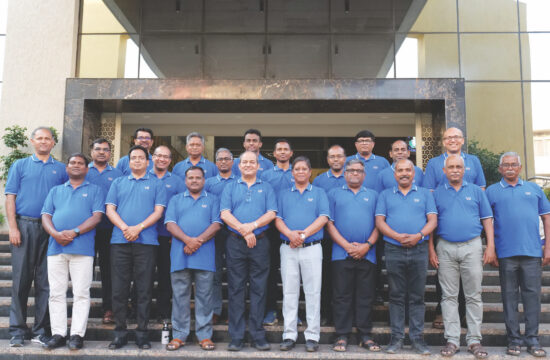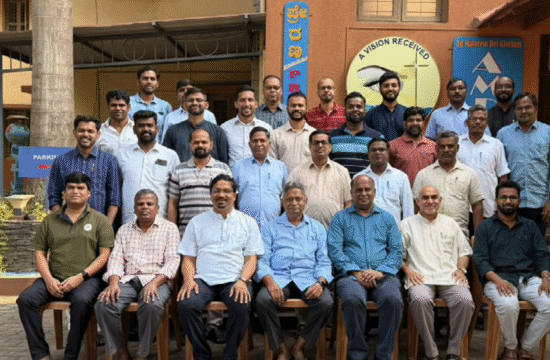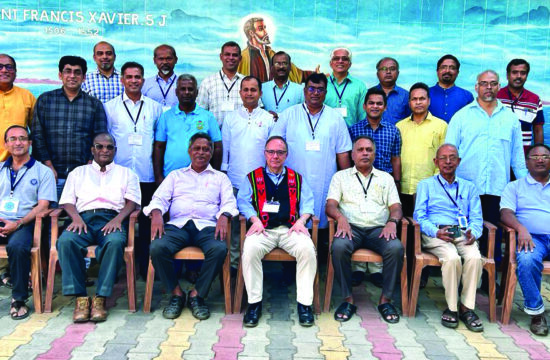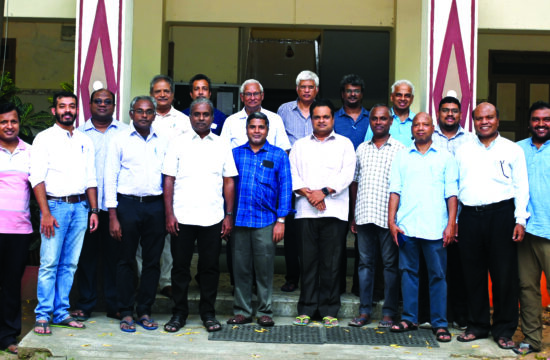

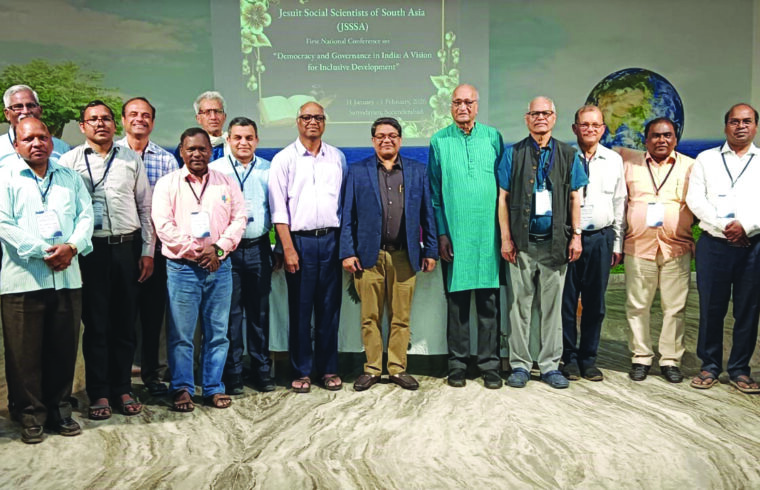
The first-ever National Conference of the Jesuit Social Scientists of South Asia (JSSSA) was held at Satyodayam, Secunderabad, from 31 Jan to 1 Feb ‘26. The theme of the National Conference was “Democracy and Governance in India: A Vision for Inclusive Development”, which was derived from the Wada Na Todo Abhiyan (WNTA) annual report 2025, titled “Promises and Realities: Citizen Review of Year 1 of NDA III Government 2024-25”.
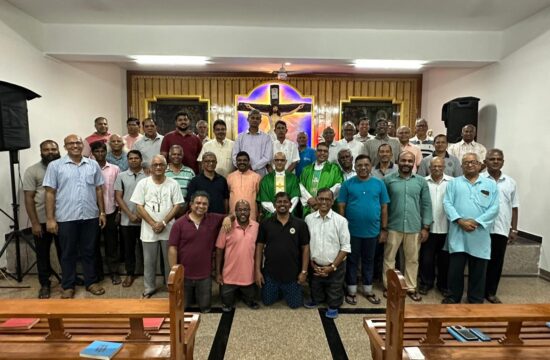
The JSSSA National Conference began on 31 Jan with a Mass celebrated by Fr. P.R. John, the new Provincial of Andhra Province. The inaugural session of the JSSSA National Conference began with a welcome address by the JSSSA Forum coordinator, Lancy Lobo, who emphasised that Jesuit social scientists ought to hold a mirror to society and attempt to be organic and public intellectuals, critiquing the state, market and civil society. In his keynote address, Prof. Afroz Alam, Head of Department of Political Science at Maulana Azad National Urdu University, Hyderabad, spoke about three layers of democracy: viz., right to choose, right to question, and the right to receive.
An important milestone in the journey of JSSSA was the release of the book, Luminous Footprints: The Impact of Christians on India, by Lancy Lobo and Denzil Fernandes. Introducing the book, Denzil Fernandes pointed out that it was the outcome of deliberations at earlier zonal meetings, where it was decided to publish a book on the contributions of Christians to nation-building in India by a secular publisher, such as Routledge. The book was released by the Chief Guest of the inaugural session, Dr Afroz Alam, and Fr. P.R. John.

The author is the Director of Centre for Culture and Development, Vadodara.